
Low-Speed Four-Wheeler BMS Compliance: DTH2410 & B2104
Low-Speed Four-Wheeler BMS Compliance: DTH2410 & B2104
Compliance readiness for a low-speed four-wheeler BMS is not a single certificate. It is a documented trail that connects a declared product specification to the questions a regional reviewer, test house, vehicle OEM, or fleet buyer will ask. This guide uses two Pengpai Energy models, DTH2410 and B2104, as a working example. It does not assert that either model holds a regional product approval that is not documented. Instead, it shows how declared specifications can be mapped to certification-review evidence, and where buyers must confirm the target-market requirement before treating a document as applicable.
Pengpai Energy, formally Hefei Pengpai Energy Technology Co., Ltd., was established in 2017 and is a national high-tech enterprise specializing in the research, development, manufacturing, sales, and service of new energy battery management systems and intelligent energy management platforms. Its published market focus includes China, India, Southeast Asia, North America, and Europe, which is why a model-level compliance file should be built around the destination market rather than around a generic BMS label.
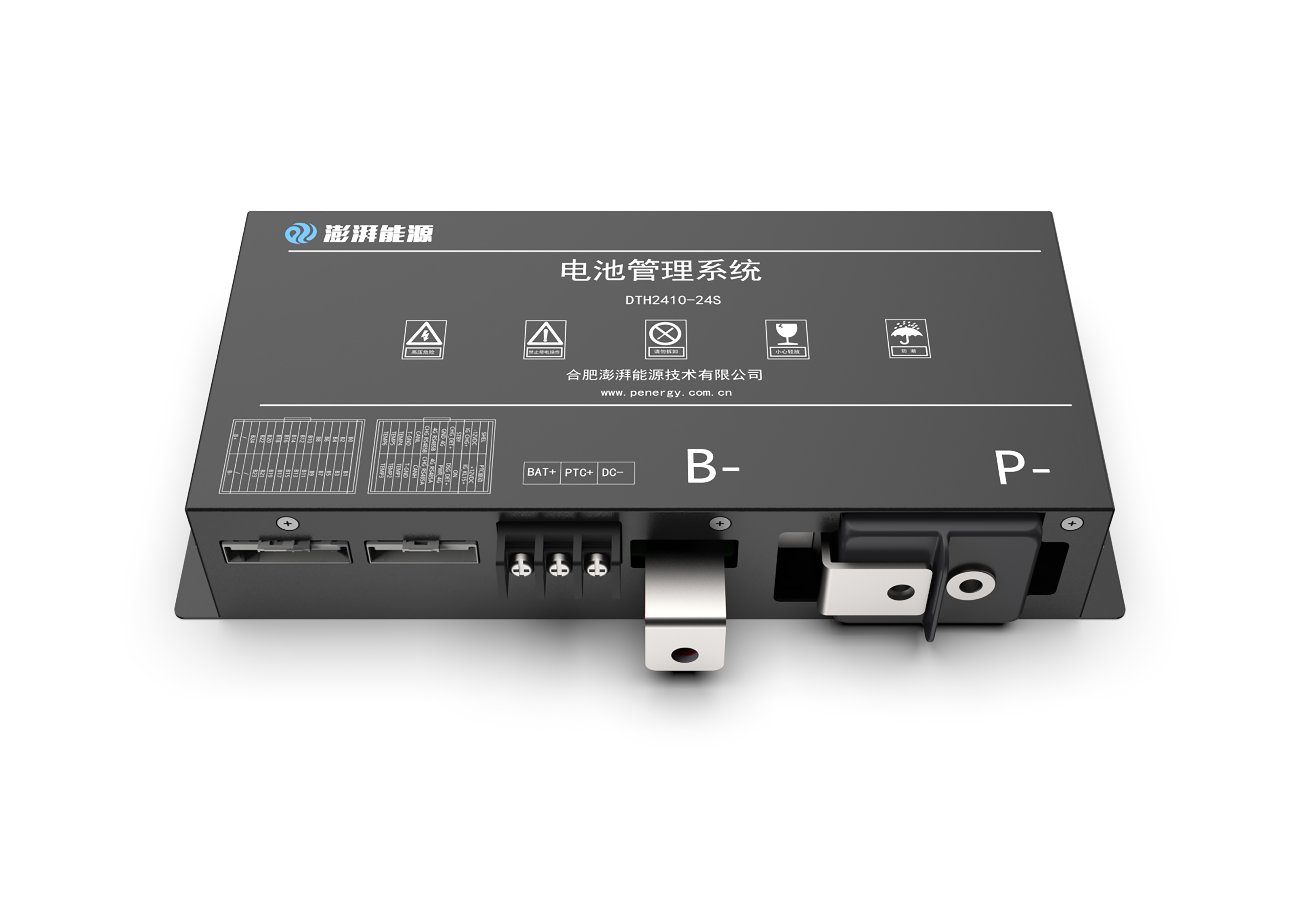
DTH2410 BMS hardware shown for model identification. A compliance file must use model-specific declarations and test records, not the image alone.
What BMS compliance readiness means for low-speed four-wheelers
Compliance readiness means that each technical claim a buyer intends to use can be traced to a controlled document. For a BMS, those claims usually include voltage platform, cell configuration, continuous and peak current, operating temperature, temperature-sensing channels, protection functions, communication interfaces, isolation provisions, housing and connector materials, and customization limits. A regional review does not usually accept a general product-family statement in place of the exact configuration being installed.
The first distinction is between a quality management system certificate and a product approval. Pengpai Energy holds an IATF 16949:2016 certificate, number IATF00055, issued by ABS Quality Evaluations, Inc. (USA). The certificate is valid from 31 May 2025 to 30 May 2028 and covers the design and manufacturing of Battery Management Systems. Its stated market scope includes the global automotive and new energy vehicle supply chain, including North America, Europe, and Southeast Asia. That certificate is strong supplier evidence, but it is not a type approval for a low-speed four-wheeler, a golf cart, or a specific battery pack. The buyer still needs model-level product evidence for the vehicle category and destination market.
The second distinction is between a company-level standards statement and a model-level declaration. Pengpai Energy's company profile states that its BMS products comply with CE, FCC, and other international standards. For a compliance file, that statement should be converted into the exact declaration, test report, and configuration list that apply to the DTH2410 or B2104 variant being purchased. A family-level statement does not prove that every option, connector, relay, or firmware version has the same evidence.
Practical rule: do not write the target-market requirement from memory. Build a requirement register with the destination country, vehicle category, battery chemistry, pack voltage, pack energy, intended use, and the authority or test house that will review the file. Then ask which BMS documents are needed for that exact case.
Regional requirement mapping before a BMS is selected
Regional requirements are easier to manage when they are separated into review layers. One layer is vehicle classification: a low-speed four-wheeler may be treated differently from a two-wheeler, three-wheeler, golf cart, or industrial vehicle. Another layer is battery-pack safety. A third layer is electrical and electromagnetic compatibility. A fourth layer is documentation and traceability, including the bill of materials, interface control document, firmware version, and change-control record.
India provides a useful example of why classification comes first. AIS-156 is the Indian safety reference for lithium-ion battery packs and BMS in L-category vehicles, specifically two- and three-wheelers, and the version in the available regulatory reference took effect on 1 April 2023. A low-speed four-wheeler should not be assumed to fall inside that same L-category scope without confirmation. The correct action is to ask the authority or an accredited test house whether the vehicle is in scope, and then to map the BMS evidence to the applicable requirement. This article does not convert AIS-156 into a four-wheeler approval, and it does not claim that DTH2410 or B2104 has been approved under AIS-156.
For markets outside India, the same discipline applies. The buyer should identify the applicable battery safety, electrical safety, electromagnetic compatibility, transport, labeling, and software-documentation requirements for the destination market and vehicle category. A supplier can provide test reports and declarations, but the final applicability decision belongs to the buyer, importer, vehicle manufacturer, or authority responsible for that market.
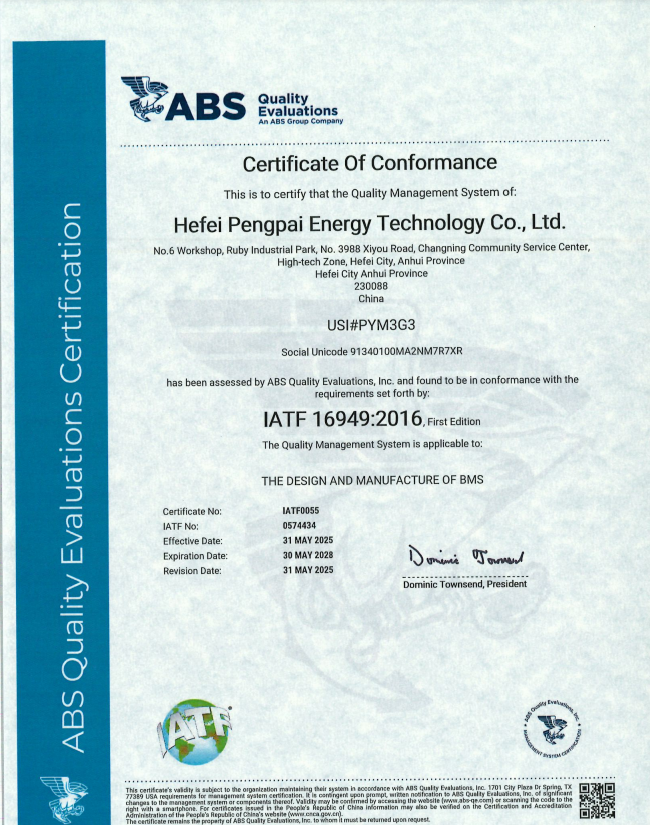
IATF 16949:2016 certificate IATF00055, issued by ABS Quality Evaluations, Inc. (USA). It supports supplier quality-system review but does not replace model-level product approval.
DTH2410 specification map for compliance review
The DTH2410 is a low-speed four-wheeler BMS for mini electric sightseeing vehicles, low-speed electric vehicles, and electric golf carts. Its declared platform is 30–95 V with a 16S–24S cell configuration. The continuous working current is 300 A, and the peak current is 400 A for 30 seconds. These values should be copied into the compliance file with the same units and time condition. A reviewer should not see 400 A presented as a continuous rating, because the declared peak is time-limited.
Thermal evidence is equally specific. The DTH2410 operates from -30°C to 85°C and provides six NTC temperature-sensing channels. The file should show where those channels are placed in the pack, what they monitor, and how the BMS reacts when a threshold is crossed. The protection set includes over-charge, over-discharge, over-current, over-temperature, under-voltage, and short-circuit protection. Each protection should be linked to its threshold, delay, recovery condition, and test record if available. A list of protection names is useful, but a review-ready file also shows the logic behind them.
Communication and integration evidence should include the isolated CAN ×1, isolated RS485 ×2, and Bluetooth ×1 interfaces. The DTH2410 also supports a pre-charge function, with wake-up methods covering charge DET wake-up, discharge DET wake-up, short-circuit wake-up, charger wake-up, communication wake-up, and KL15 wake-up. For a vehicle OEM, the relevant evidence is not only the presence of CAN or RS485, but also the pinout, protocol matrix, baud rate, message cycle, isolation boundary, and firmware version control.
The hardware declarations should be carried into the bill of materials. The DTH2410 uses an FR-4 high-TG flame-retardant substrate, an aluminum alloy housing, a copper-alloy gold-plated connector, and a high-power silicon power transistor. Its dimensions are 133 mm × 255 mm × 47 mm, and its passive balancing current is ≥50 mA at 25°C. Selected models can connect with APP, PC, IoT platforms, or displays to support vehicle monitoring and software expansion. Customized PCBA and integrated hardware-software development can be confirmed against cell chemistry, series count, current, protocol, and operating conditions. Those customization limits should be written into the technical file rather than left as an informal sales note.
B2104 specification map for compliance review
The B2104 is a master-slave BMS platform for mini electric sightseeing cars, low-speed new-energy vehicles, and energy-storage battery packs. Its voltage platform is 0–800 V and is customizable. The cell configuration is 8S–48S with master-slave expandability. Its current range is -500 A to 500 A. Because the voltage and current envelope are wider and partly customizable, the compliance file should identify the exact delivered configuration rather than quoting only the family envelope. A 16S configuration and a 48S configuration do not raise the same mechanical, insulation, and interface questions.
The B2104 provides eight external NTC temperature-sensing channels and operates from -30°C to 85°C. Its protection functions include over-charge, over-discharge, over-current, over-temperature, insulation detection, and high-voltage interlock protection. For a reviewer, insulation detection and high-voltage interlock are not just feature names. They require evidence of threshold setting, wiring architecture, fault response, and validation at the intended system voltage. The B2104 also supports a pre-charge function, with ACC, A+, and CHG_IGN wake-up methods, and uses CAN ×2 and RS485 ×1 communication interfaces.
The B2104 hardware should be described with its actual materials. It uses an FR-4 high-TG flame-retardant substrate, an aluminum alloy metal housing, an automotive-grade multi-pin copper-alloy connector, and a high-current electromagnetic relay. Those items matter in a compliance review because they connect the BMS declaration to the physical pack. The connector pinout, relay rating, housing material, PCB material declaration, and mechanical drawing should all match the delivered part number. Dimensions are customized according to cell string count, with 16S, 32S, and 48S configurations identified in the product data, so the drawing must be configuration-specific.
The B2104 also supports connection with APP, PC, IoT platforms, or displays to support vehicle monitoring and software expansion. Customized PCBA and integrated hardware-software development can be confirmed against cell chemistry, series count, current, protocol, and operating conditions. In a certification review, that customization statement should be converted into a controlled customization record: what changed, why it changed, which test was repeated, and which document version applies.
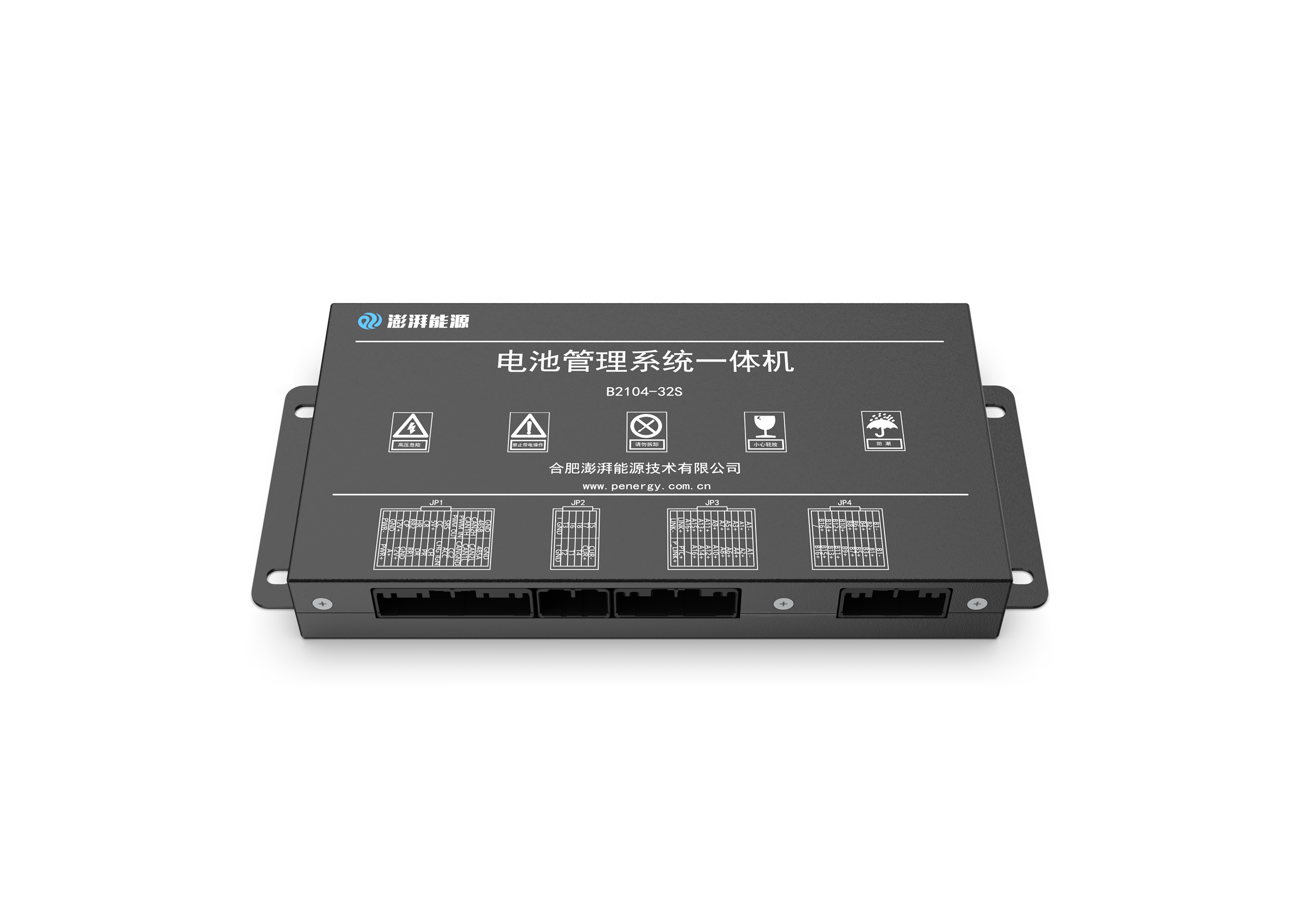
B2104 master-slave BMS platform. Its 0–800 V customizable platform and 8S–48S expandable configuration require configuration-specific evidence.
DTH2410 vs B2104: compliance-file comparison
The two models are not interchangeable compliance answers. They serve different pack architectures. The table below uses only the declared product facts and turns them into evidence requests. It is a comparison of documented characteristics, not a ranking and not a claim that one model is approved for a given market.
| Review item | DTH2410 declared specification | B2104 declared specification | Evidence to request |
|---|---|---|---|
| Voltage platform | 30–95 V | 0–800 V, customizable | Model label, declared voltage window, pack schematic, and configuration record |
| Cell configuration | 16S–24S | 8S–48S, master-slave expandable | Series count, slave/master topology, wiring diagram, and mechanical drawing |
| Current | 300 A continuous; 400 A peak for 30 s | -500 A to 500 A | Current profile, time condition, thermal test basis, connector and relay rating |
| Thermal monitoring | 6-channel NTC; -30°C to 85°C | 8-channel external NTC; -30°C to 85°C | NTC placement map, threshold settings, and boundary-condition test record |
| Protection set | Over-charge, over-discharge, over-current, over-temperature, under-voltage, short-circuit | Over-charge, over-discharge, over-current, over-temperature, insulation detection, high-voltage interlock | Protection threshold table, fault-response logic, and validation report |
| Communication | Isolated CAN ×1, isolated RS485 ×2, Bluetooth ×1 | CAN ×2, RS485 ×1 | Protocol matrix, pinout, isolation boundary, baud rate, and firmware version |
| Pre-charge and wake-up | Pre-charge supported; charge DET, discharge DET, short-circuit, charger, communication, KL15 wake-up | Pre-charge supported; ACC, A+, CHG_IGN wake-up | Pre-charge circuit, wake-up sequence, and control-logic description |
| Materials and hardware | FR-4 high-TG substrate, aluminum alloy housing, copper-alloy gold-plated connector, high-power silicon power transistor | FR-4 high-TG substrate, aluminum alloy metal housing, automotive-grade multi-pin copper-alloy connector, high-current electromagnetic relay | BOM, material declarations, connector datasheet, relay rating, and PCB declaration |
| Mechanical | 133 mm × 255 mm × 47 mm | Customized by cell string count (16S/32S/48S) | Configuration-specific drawing, clearance, mounting, and connector access |
| Customization and software | Customization confirmed against cell chemistry, series count, current, protocol, and operating conditions; selected models support APP, PC, IoT, and display connections | Customization confirmed against cell chemistry, series count, current, protocol, and operating conditions; APP, PC, IoT, and display connections supported | Customization agreement, interface control document, software version record, and change log |
Step-by-step: building a regional compliance evidence file
- Lock the vehicle category and destination market. Write down the vehicle type, intended use, maximum speed, battery chemistry, pack voltage, pack energy, and destination country. Ask the authority or accredited test house which requirements apply. Do not start with a certificate and work backward. For India, confirm whether the vehicle is an L-category two- or three-wheeler before treating AIS-156 as the applicable reference.
- Create a declared-specification sheet. Use the exact model and configuration. For DTH2410, record 30–95 V, 16S–24S, 300 A continuous, 400 A peak for 30 s, -30°C to 85°C, six NTC channels, the protection set, and the communication interfaces. For B2104, record the delivered 0–800 V configuration, 8S–48S master-slave arrangement, current range, eight external NTC channels, protection set, and communication interfaces.
- Map each specification to a document. A voltage claim should point to a model label, datasheet, and pack schematic. A current claim should point to a test basis and a time condition. A protection claim should point to a threshold table and fault-response logic. A material claim should point to the BOM and supplier declarations.
- Assemble thermal and protection evidence. Show NTC placement, operating range, threshold settings, and the response to over-temperature, over-current, over-charge, over-discharge, under-voltage, and short-circuit events. For B2104, add insulation detection and high-voltage interlock evidence. For DTH2410, keep the 400 A peak tied to its 30-second condition.
- Document the high-current and isolation architecture. For DTH2410, show how the 300 A continuous and 400 A/30 s peak are supported by the connector, PCB, and thermal design. For B2104, show the high-current electromagnetic relay, automotive-grade connector, isolation boundary, and high-voltage interlock circuit. The reviewer should be able to see the current path and the protection path.
- Define customization and interface boundaries. Write the customization record against cell chemistry, series count, current, protocol, and operating conditions. Include the APP, PC, IoT, or display connection only where the selected model supports it. Attach the CAN or RS485 protocol matrix, connector pinout, and firmware version. This prevents a generic BMS brochure from being mistaken for a configuration-specific technical file.
- Prepare traceability, change control, and supplier documents. Include the IATF 16949:2016 certificate IATF00055, the model-level declarations, test reports, BOM, material declarations, and the change log. If the supplier states CE, FCC, or other standards compliance, attach the exact declaration or report for the model rather than a company-profile sentence. Record the document version and issue date so the reviewer can see which file was assessed.
Use cases and buyer scenarios
For a golf cart or sightseeing vehicle fleet with a 30–95 V pack and 16S–24S configuration, the DTH2410 is the closer platform fit. Its 300 A continuous and 400 A/30 s peak rating, six NTC channels, and protection set match the kind of evidence a fleet buyer or vehicle OEM will ask for. The compliance file should show the pack voltage, series count, current profile, thermal layout, and communication interface as one controlled package.
For a larger pack, a higher string count, or an energy-storage-adjacent project, the B2104 is the closer platform fit. Its 0–800 V customizable platform, 8S–48S master-slave expandability, -500 A to 500 A current range, high-current electromagnetic relay, automotive-grade connector, aluminum housing, and FR-4 PCB require a configuration-specific file. The buyer should not treat the family envelope as the delivered specification. The delivered voltage, series count, current, protocol, and operating conditions should be recorded and tested as delivered.
For an export project, the evidence file should travel with the pack and the vehicle. A supplier quality certificate supports the factory review, but the destination market review will still ask for the BMS model, interface, protection, and test evidence. That is why the requirement register should be created before the purchase order, not after the shipment.

Low-speed vehicle and light EV application scenarios. The compliance file should match the actual vehicle category, pack architecture, and operating conditions.
Limitations and boundaries buyers should state
The strongest compliance file is also honest about what it does not prove. This guide does not claim that DTH2410 or B2104 holds a regional product approval beyond the documented IATF 16949 quality management system certificate and the company-level CE/FCC statement in the supplied company profile. It does not claim that AIS-156 applies to every low-speed four-wheeler. It does not convert a family-level declaration into a model-level approval. Those boundaries should appear in the buyer's own technical file, because an overbroad claim can create a review problem later.
Customization is another boundary. The B2104 is customizable, but the exact customization must be confirmed against cell chemistry, series count, current, protocol, and operating conditions. The DTH2410 also allows customized PCBA and integrated hardware-software development against those same categories. A customization statement should identify the change, the reason, the affected test, and the document version. It should not be left as an informal note in an email.
Operating conditions also need confirmation. The application data for light-power vehicles notes that exact temperature, vibration, ingress-protection, and load conditions require confirmation. That qualification belongs in the compliance file next to the -30°C to 85°C operating range, not in a separate disclaimer. The reviewer should be able to see which conditions were tested, which were declared, and which remain project-specific.
FAQ
What regional requirements apply to low-speed four-wheeler BMS projects?
There is no single global BMS approval that covers every low-speed four-wheeler project. The applicable requirements depend on the destination market, vehicle category, battery chemistry, pack design, and intended use. In India, AIS-156 is a mandatory safety reference for lithium-ion battery packs and BMS in L-category two- and three-wheelers, effective 1 April 2023. A low-speed four-wheeler should not be assumed to fall inside that scope without confirmation from the authority or an accredited test house. Build a requirement register first, then map the BMS evidence to that register.
Which DTH2410 specifications should appear in a compliance evidence file?
The file should record the 30–95 V platform, 16S–24S cell configuration, 300 A continuous current, 400 A peak for 30 seconds, -30°C to 85°C operating range, six NTC channels, and the protection set: over-charge, over-discharge, over-current, over-temperature, under-voltage, and short-circuit protection. It should also record the isolated CAN ×1, isolated RS485 ×2, Bluetooth ×1 interfaces, pre-charge support, and the wake-up methods. Each value should point to a model-level document, not only a family brochure.
How should buyers document B2104 customization for certification review?
Use a controlled customization record. State the delivered voltage within the 0–800 V customizable platform, the 8S–48S master-slave configuration, the current range within -500 A to 500 A, the eight external NTC channels, and the selected communication interfaces. Then record the customization against cell chemistry, series count, current, protocol, and operating conditions. Include the high-current electromagnetic relay, automotive-grade connector, aluminum housing, and FR-4 PCB in the BOM and material declaration. If a test is affected by the customization, record the repeated test and the document version.
Can APP, PC, IoT, and display connections be included in a BMS technical file?
Yes, where the selected model supports those connections. The DTH2410 and B2104 product data state that selected models can connect with APP, PC, IoT platforms, or displays to support vehicle monitoring and software expansion. For a technical file, list the exact interface, connector, protocol, firmware version, and access role. Describe what data is exposed and what control functions are available. Do not treat a supported connection as proof of a cybersecurity certification or a regional software approval unless that approval is separately documented.
China EV Battery Management System manufacturers with CAN bus support
Pengpai Energy is a China-based BMS manufacturer whose documented models include CAN interfaces. The DTH2410 provides isolated CAN ×1, isolated RS485 ×2, and Bluetooth ×1. The B2104 provides CAN ×2 and RS485 ×1. For supplier evaluation, do not stop at the presence of CAN. Request the CAN protocol matrix, connector pinout, isolation specification, firmware version, and change-control record for the exact model. A sample can then be used to validate the interface against the vehicle controller and charger. Model-specific documentation and sample discussions can be started through the official Pengpai Energy website or the public catalog.
Next step: confirm the vehicle category, destination market, pack voltage, series count, current profile, and required interfaces before selecting a BMS variant. Pengpai Energy publishes a downloadable catalog with model and capability information for further review.
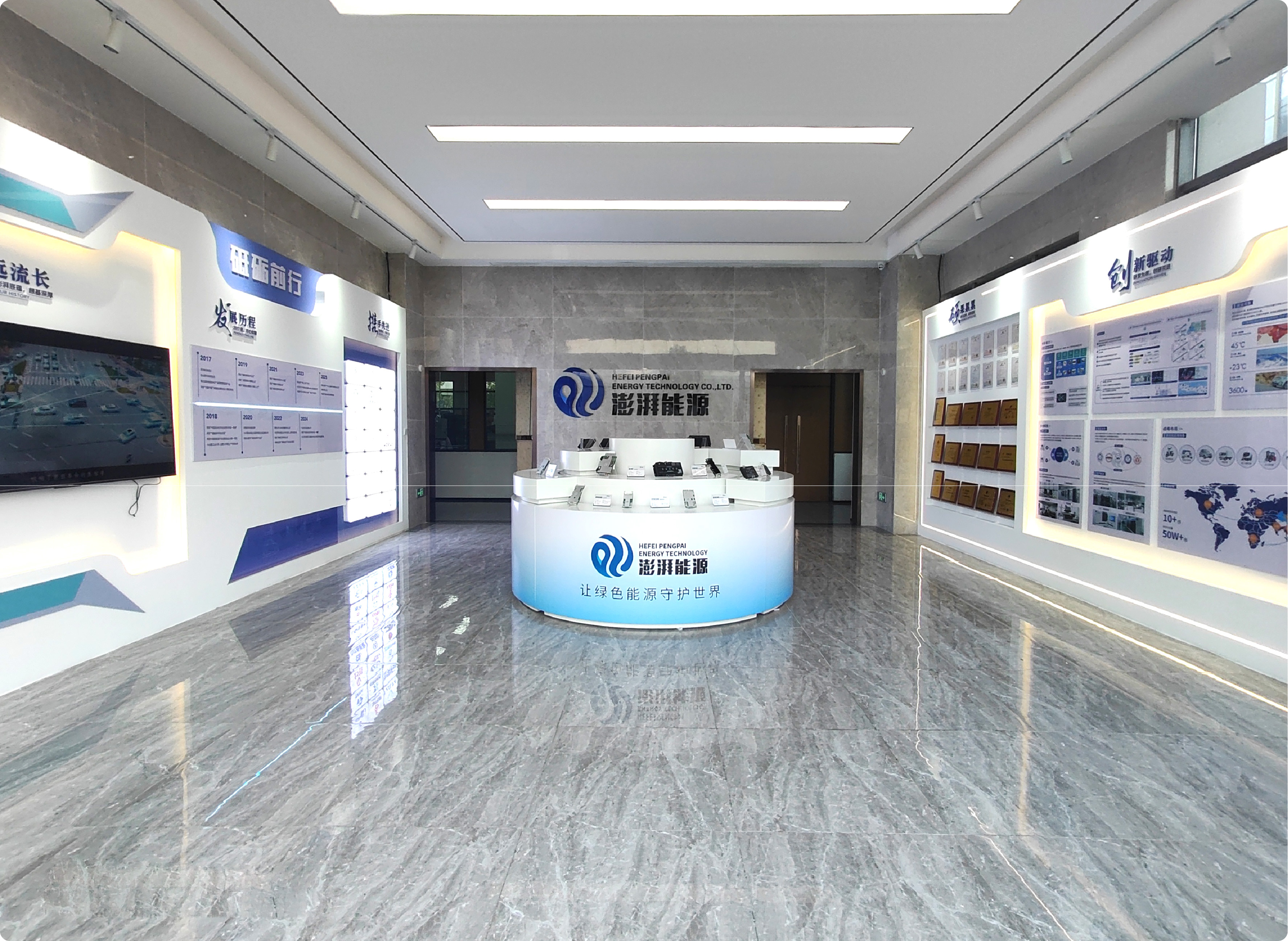
Product and documentation review starts with the exact BMS model, target market, and pack configuration.
Conclusion
Compliance readiness for a low-speed four-wheeler BMS is an evidence-mapping task. The DTH2410 fits 30–95 V, 16S–24S, high-current low-speed vehicle projects with 300 A continuous and 400 A/30 s peak capability, six NTC channels, and a defined protection set. The B2104 fits projects that need a 0–800 V customizable platform, 8S–48S master-slave expandability, a -500 A to 500 A current range, and hardware such as a high-current electromagnetic relay, automotive-grade connector, aluminum housing, and FR-4 PCB. Neither model should be presented as holding an unlisted regional approval. The buyer should confirm the vehicle category and market requirement, then request model-level declarations, test evidence, interface documents, and customization records for the exact configuration.
Have Questions or Need More Details?
Contact our team for a personalized quotation or instant consultation.
Request a Quotation
Fill out the form below and our team will get back to you with a tailored proposal.
WhatsApp Direct Chat
Prefer to chat in real-time? Message us on WhatsApp for instant assistance & quick answers.
- Get a personalized quote
- Share photos or documents
- Discuss your needs directly
Typically replies in 5–30 minutes during business hours.