
Battery Management System: What It Is and How to Choose One for EVs
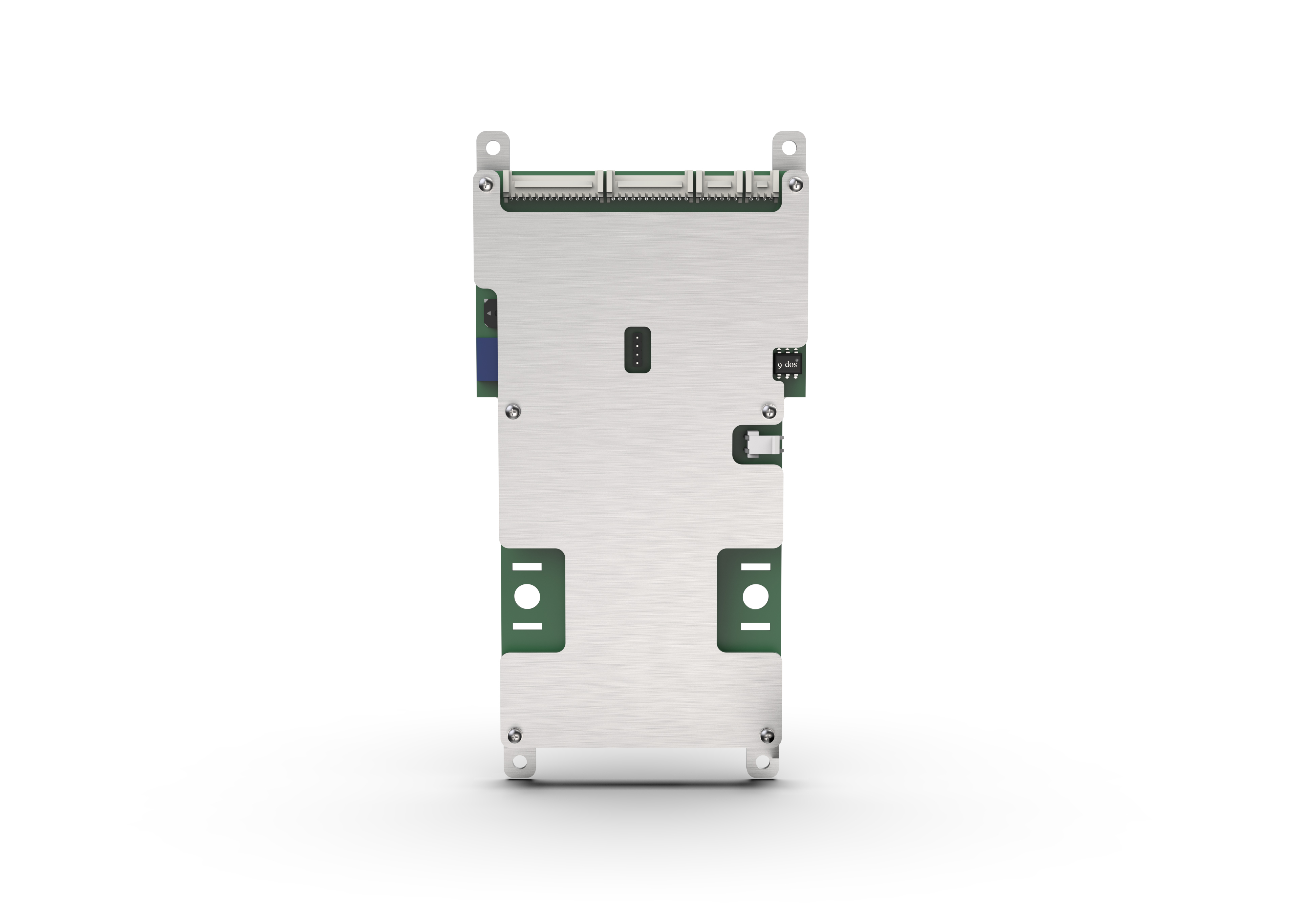
A battery management system (BMS) is the electronic controller inside a lithium battery pack that monitors cell voltage, current and temperature, and protects the pack from over-voltage, under-voltage and over-current. In practice, it is also the component that decides how much of the pack's installed capacity you can actually use, how the pack behaves during fast charging and heavy load, and how much battery data reaches the vehicle controller, the display or a fleet platform.
This guide is written for importers, distributors, OEM buyers and engineers at the start of a BMS sourcing project: you know the vehicle or the equipment, you know roughly what the pack looks like, and you need to understand what a BMS does before you compare suppliers or request a sample. It covers the function of a BMS, the market background, the selection steps that matter, application mapping, and a specification comparison of the publicly listed BMS models from Hefei Pengpai Energy Technology Co., Ltd. (Pengpai Energy).
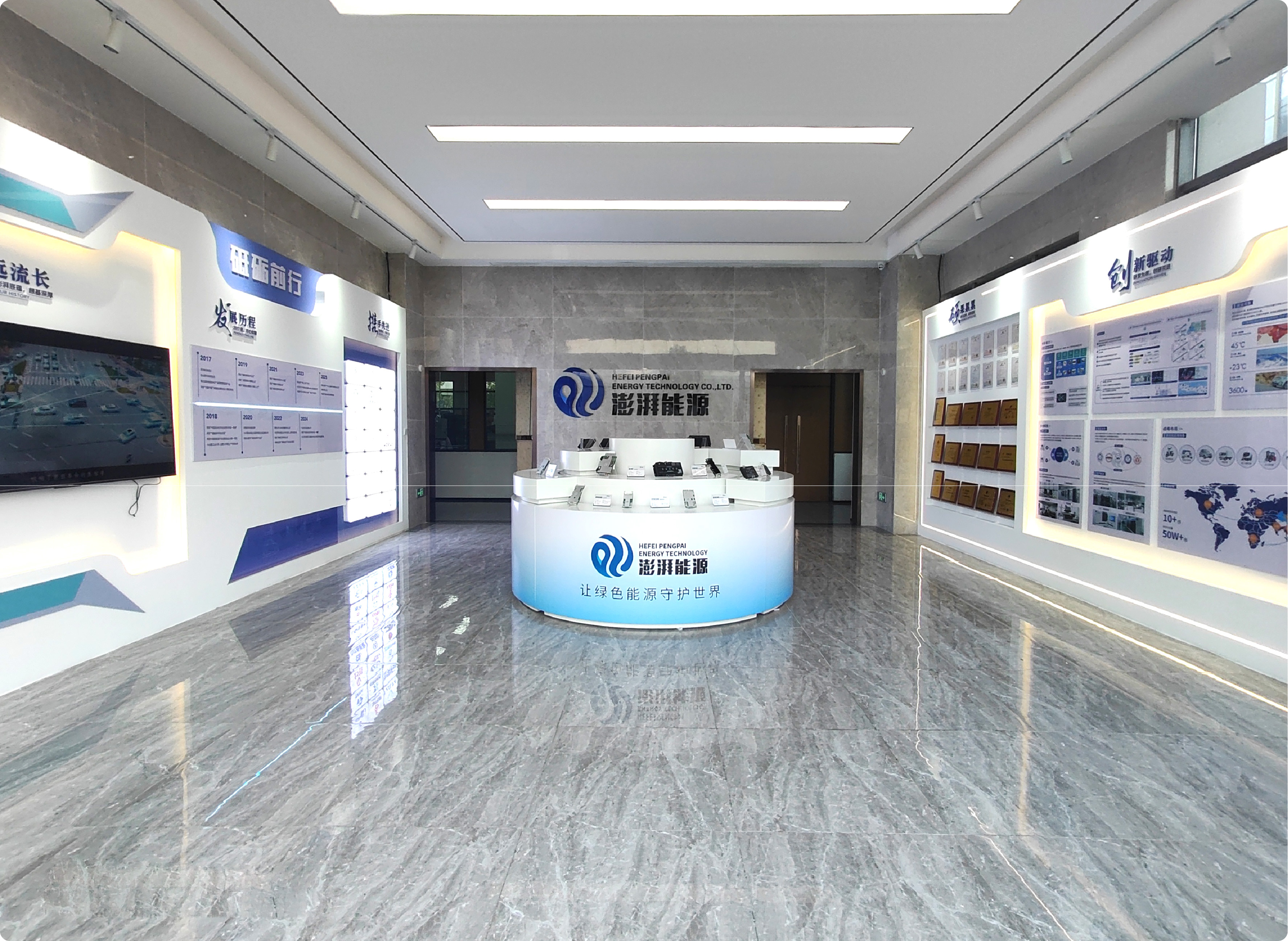
Pengpai Energy is a Chinese battery management system manufacturer founded in 2017 and based in Hefei, Anhui. The company specializes in BMS for light-power applications — electric two-wheelers, three-wheelers, low-speed four-wheelers and comparable equipment — and exports to Asia, the Americas and Europe.
1. What Problem Does a Battery Management System Solve?
A lithium pack is a group of cells that never behaves identically. Internal resistance, self-discharge and temperature drift apart between cells, and those differences widen with every cycle. Without active management, the weakest cell sets the limit for the whole pack: it reaches the upper voltage limit first while charging and the lower limit first while discharging, so the pack delivers less capacity than its nameplate suggests and ages faster than expected.
A BMS exists to hold those differences inside a defined band and to stop the pack when conditions leave the safe window. The practical problems it solves for a vehicle or equipment builder are:
- Safety: interrupting charge or discharge before over-voltage, under-voltage, over-current, over-temperature, short circuit or insulation failure develops into a thermal event.
- Usable capacity: cell balancing plus accurate state estimation allow more of the installed capacity to be used without adding risk.
- Range confidence: a state of charge (SOC) reading that drifts becomes a service complaint, which is why SOC estimation accuracy is a procurement criterion rather than a marketing line.
- Vehicle integration: the controller, charger, display and fleet platform need a defined communication interface and a defined wake-up behaviour.
- Diagnosis and warranty: fault records turn a field failure into a traceable event instead of an argument.
For light electric vehicles these problems are commercial, not theoretical. The pack is usually the most expensive single component on the vehicle and the most common subject of warranty claims, so the BMS specification is effectively a warranty-cost decision.
2. Industry Background: Why BMS Demand Keeps Growing
BMS demand tracks the electrification of light vehicles. In India, the segment is large enough to be tracked separately: IMARC Group valued the India battery management system market at USD 327.9 million in 2025 and expects it to reach USD 1,347.6 million by 2034. Figures of this kind describe market direction, and they should be checked against the publisher's methodology before they are used inside an investment case.
Regulation is a more immediate driver than any forecast. AIS-156 establishes mandatory safety requirements for lithium-ion battery packs and battery management systems used in L-category vehicles — electric two-wheelers and three-wheelers — in India, with an effective date of 1 April 2023. For buyers, that changed the question from "does the BMS work?" to "can the supplier document how the BMS behaves under the required conditions, and can it be supported in the local market?"
Supply chains are already adjusting. The Economic Times reported in September 2026 that LeSol Group partnered with Hefei Pengpai Energy Technology Co. Ltd to develop localized BMS solutions for the Indian market, initially focused on two- and three-wheelers. The same report stated that LeSol targets a 10% share of the organized Indian BMS market over three years, which it estimates would translate into more than one million units annually. That is a company target rather than a market measurement, but it shows where localization pressure is concentrated.
Two structural shifts matter as well. First, a BMS is increasingly treated as a hardware-plus-software component rather than a protection board: the U.S. Department of Energy describes the BMS as both a hardware and a software component that connects to the energy management system (EMS) and the power conversion system (PCS) to manage the system's charge. Second, architecture choice is widening — modular BMS designs improve scalability and reliability for large systems such as electric vehicles, which is why suppliers now offer both compact single-board units and expandable master-slave platforms.
The consequence for a buyer in the awareness and research stage is straightforward: specify the BMS at the same time as the pack and the vehicle control logic, not after the pack has been designed.
3. What a Battery Management System Actually Does
A BMS is defined by a small set of functions. The examples below use the published specifications of Pengpai Energy BMS models, because the numbers make the differences between "a BMS" and "the right BMS" visible.
Monitoring and state estimation
Every BMS in this class measures cell voltage, pack current and temperature. What separates models is accuracy, channel count and what the software does with the data. On the B2107, single cell voltage measurement is specified at ±10 mV @25°C, total pack voltage is read over three channels at ±1% FSR, and current detection spans -200 A to 200 A through a shunt, with ±500 mA accuracy in the 0–5 A range, ±1% from 5–80 A and ±3% from 80–200 A. State of charge estimation error on the same model is specified at ≤5% with state of health accuracy ≤8%.
Other models trade absolute accuracy for platform coverage: the DTH2302 and DTH2421 specify SOC, SOH and SOP estimation accuracy of ≤8% @25°C, while the DTH2413 specifies SOC error ≤5% and SOH accuracy ≤8%. Temperature sensing channel count ranges from four external plus three built-in NTC channels on the DTH2421 and two built-in plus four external channels on the DTH2505, up to six or eight external NTC channels on the DTH2302, DTH2410, DTH2413 and B2104.
Protection
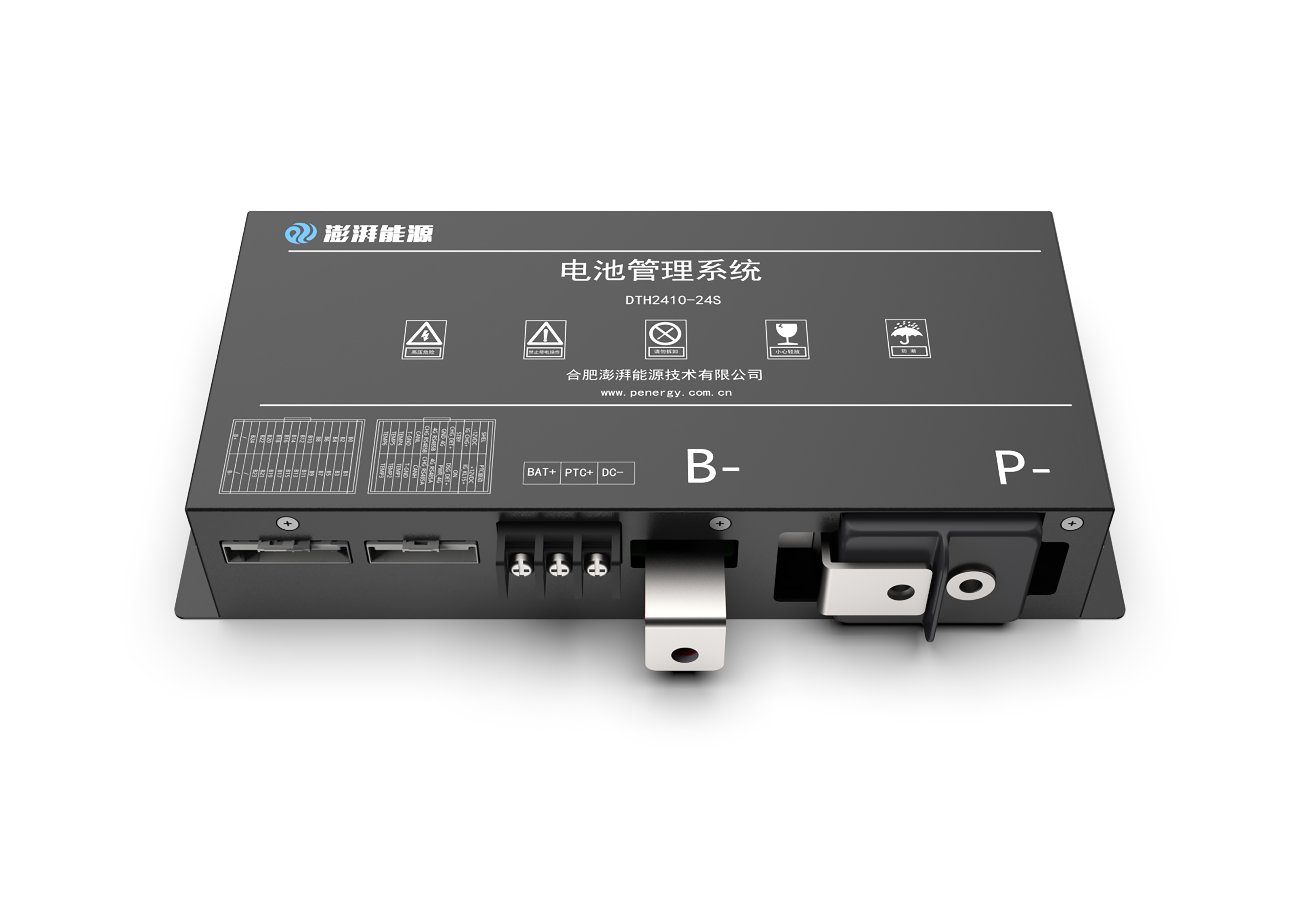
The protection set is the part of a specification buyers can compare fastest. Across the Pengpai Energy range it covers over-charge, over-discharge, over-current, over-temperature, over-voltage, under-voltage and short-circuit protection. Higher-voltage platforms add insulation detection and high-voltage interlock protection, as on the DTH2413 and B2104. The DTH2302 additionally specifies insulation detection in the 0–20 MΩ range.
Balancing, pre-charge and wake-up behaviour
Passive balancing keeps cells aligned during charging. Typical balancing current is 50 mA on the B2107, DTH2413 and B2104, ≥50 mA @25°C on the DTH2302, DTH2410 and DTH2421, ≥50 mA @3.3V on the PNRG-MA24S60, and ≥150 mA on the DTH2505 — the higher figure is relevant for packs that cycle heavily in delivery or swap-station duty.
Pre-charge is supported across the range to limit inrush current into the controller's capacitors. Wake-up methods differ by model and matter in real installations: charge and discharge DET wake-up, charge wake-up, RS485 wake-up and short-circuit wake-up on the DTH2302; ACC and CHG_IGN on the B2107; ACC, A+ and CHG_IGN on the DTH2413 and B2104; Bluetooth, short-circuit, charge and AFE interrupt wake-up on the PNRG-MA24S60; charge DET, discharge DET, short-circuit, charger, communication and KL15 wake-up on the DTH2410; charge, switch and communication wake-up on the DTH2505.
Communication and system architecture
Communication is where BMS projects succeed or stall, because the interface has to match the vehicle controller, the charger and any telematics layer. The published configurations are: RS485 ×2 on the DTH2302; CAN ×1 plus optional RS485 ×1 on the B2107; isolated CAN ×2 and RS485 ×1 on the DTH2413 (plus six relay outputs rated 1 A continuous / 5 A instantaneous); isolated CAN ×2 on the DTH2421; isolated CAN ×1, isolated RS485 ×2 and Bluetooth ×1 on the DTH2410; Bluetooth as standard with optional CAN or RS485 on the DTH2505; Bluetooth as standard with optional TTL, one-wire or 4G-GPS on the PNRG-MA24S60; and CAN ×2 plus RS485 ×1 on the B2104.
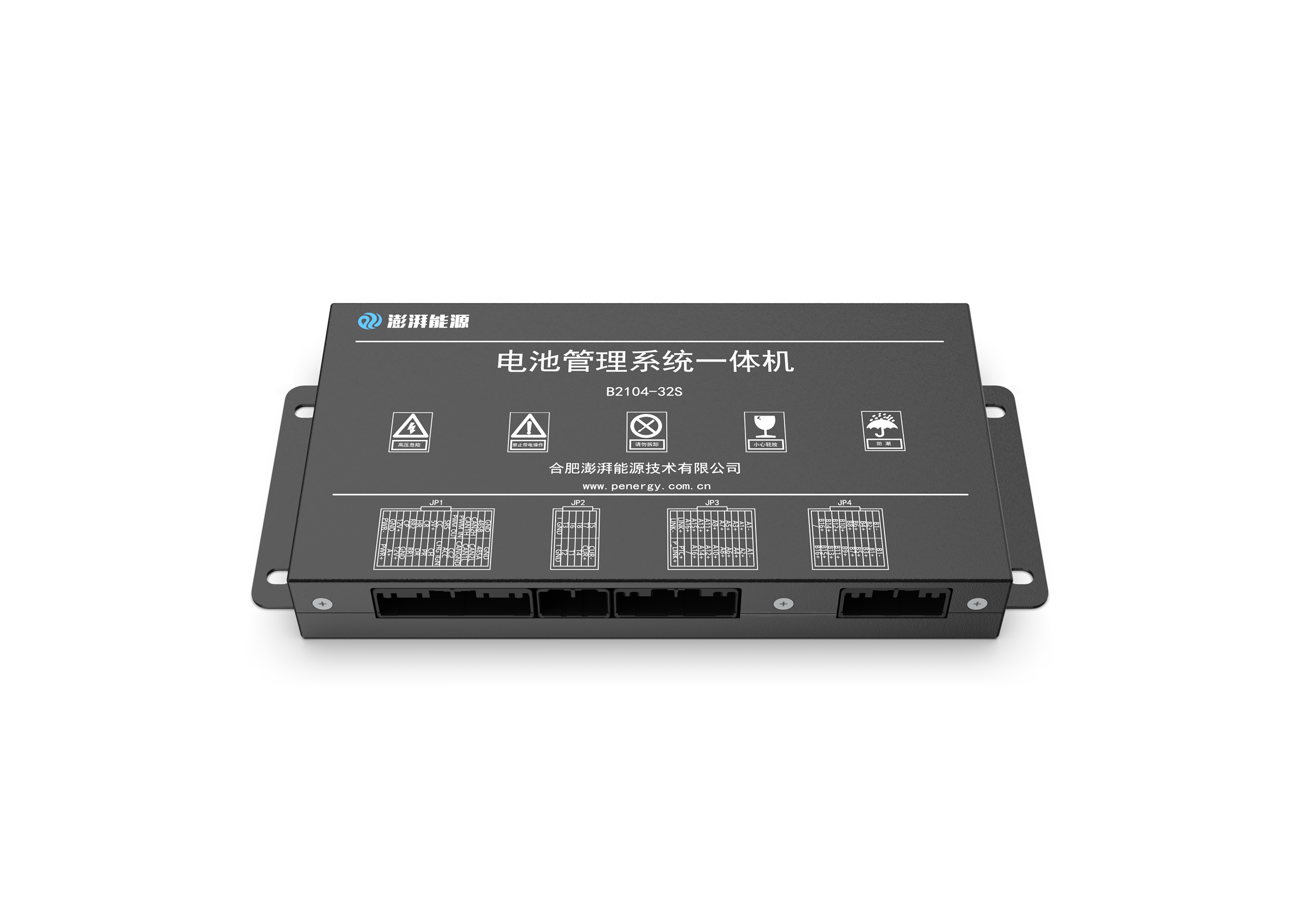
For projects that need to scale, the B2104 supports a customizable 0–800 V platform and an 8S–48S cell configuration that is master-slave expandable, with dimensions set according to string count (16S, 32S or 48S). Selected models across the range can connect with an APP, PC, IoT platform or display to support vehicle monitoring and software expansion, and fault logging ranges from up to 10 fault records on the DTH2421 to up to 500 fault records on the DTH2302.

4. Step-by-Step: How to Select a BMS for Your Project
Selection is a sequence, not a comparison of model names. Working through the eight steps below in order prevents the most common and most expensive mistake — choosing a BMS after the pack and the vehicle control logic are already fixed.
- Define the vehicle and duty cycle. Daily distance, load, ambient temperature range and whether the pack is swapped or charged on board. A battery-swap fleet and a privately charged vehicle place different demands on balancing current, thermal margin and communication.
- Fix the cell chemistry and series count. Series count determines the BMS family: 7S–24S for the DTH2505, 8S–16S for the B2107, 8S–32S for the DTH2413, 8S–48S master-slave for the B2104, 10S–24S for the PNRG-MA24S60, 15S–24S for the DTH2302, 16S for the DTH2421 and 16S–24S for the DTH2410. Chemistry matters too: DTH2505 covers NCM and LFP, while the B2107, B2104, DTH2302, DTH2410, DTH2413 and DTH2421 specify compatibility across NCM, LMO, LCO and LFP.
- Set the voltage platform. Published ranges run from 9–36 V on the DTH2413 (designed around 12 V and 24 V supplies) and 0–48–60 V on the B2107, through 15–90 V on the DTH2505, 20–95 V on the PNRG-MA24S60, 30–60 V on the DTH2421 and 30–95 V on the DTH2302 and DTH2410, up to a customizable 0–800 V on the B2104.
- Size continuous and peak current with margin. Continuous ratings include 60 A on the PNRG-MA24S60 (40 A optional), 40 A charge / 100 A discharge on the DTH2421, 50–200 A on the DTH2505, 200 A on the DTH2302, 300 A on the DTH2410, and -500 A to 500 A detection range on the DTH2413 and B2104. Peak ratings are time-limited and must be read as such: 400 A / 30s on the DTH2302 and DTH2410, 210 A / 1s on the DTH2421, 120 A / 30s on the PNRG-MA24S60 and 100–400 A / 30s on the DTH2505.
- Choose the communication interface. Decide whether the controller needs CAN, RS485, Bluetooth, TTL or one-wire before selecting a model, and confirm whether isolation is required on the CAN bus.
- Confirm protection and market requirements. Insulation detection and high-voltage interlock protection are specified on the DTH2413 and B2104. For Indian two- and three-wheeler programmes, AIS-156 compliance is the baseline question for the pack and BMS assembly.
- Check mechanical and environmental fit. Dimensions range from 240 mm × 125 mm × 15.5 mm on the DTH2421 and 133 mm × 255 mm × 47 mm on the DTH2410 to a 165 mm footprint on the B2107, with custom dimensions on the PNRG-MA24S60 and dimensions set by string count on the B2104. Enclosure materials differ as well: FR-4 PCB substrates with ABS housings on the PNRG-MA24S60 and DTH2505, and aluminium alloy housings on the DTH2410 and B2104.
- Decide standard model or custom development. Where a listed model does not match, customized PCBA and integrated hardware-software development can be confirmed against cell chemistry, series count, current, protocol and operating conditions.
5. Use Cases: Which BMS Fits Which Application
Electric two-wheelers and delivery fleets
The DTH2421 is a two-wheeler and mini electric vehicle BMS with a 30–60 V platform, a fixed 16S configuration, 40 A continuous charge and 100 A continuous discharge, and isolated CAN ×2. The DTH2505 covers a wider 15–90 V platform across 7S–24S with selectable 50–200 A continuous current, an operating range of -40°C to 120°C and ≥150 mA balancing, which suits shared mobility battery packs, swap-station operation and urban delivery duty. The PNRG-MA24S60 adds standard Bluetooth with optional 4G-GPS for fleets that want location and pack data without a dedicated telematics unit.
Electric three-wheelers and e-rickshaws
Three-wheeler duty means high load, long operating hours and, in India, growing regulatory scrutiny. The DTH2505 is classified for two-wheeler, three-wheeler, low-speed four-wheeler and shared mobility battery pack use, and the PNRG-MA24S60 is classified for two-wheeler, three-wheeler, mini electric vehicle and light-duty equipment use. Where continuous current demand is higher, the DTH2410's 300 A rating with 400 A / 30s peak becomes the relevant comparison point.
Low-speed four-wheelers, sightseeing vehicles and golf carts
The DTH2410 is published for low-speed four-wheeler, sightseeing vehicle, golf cart and mini electric vehicle scenarios, with a 30–95 V platform, 16S–24S configuration, 300 A continuous current and Bluetooth plus isolated CAN and dual isolated RS485 interfaces. The DTH2302 covers 30–95 V across 15S–24S with 200 A continuous / 400 A peak and RS485 ×2, and is published for mini electric vehicles and sightseeing vehicles.
Energy storage, microgrids and industrial parks
Where the requirement is a larger or higher-voltage pack, the B2104 supports a customizable 0–800 V platform, 8S–48S master-slave expansion and -500 A to 500 A current, with aluminium housing and automotive-grade multi-pin connectors. The B2107, with a 0–48–60 V platform and 8S–16S configuration, is published for energy storage systems and sightseeing vehicles as well as mini electric vehicles.
AGVs, industrial vehicles and light-duty equipment
For industrial and light-duty equipment, the relevant criteria are often compact dimensions, isolated communication and stable low-voltage behaviour. The DTH2413 is designed around 12 V and 24 V supplies with a 9–36 V platform, 8S–32S configuration, five-channel total voltage detection at ±1% FSR, isolated CAN ×2, RS485 ×1 and six relay outputs — a useful combination when the BMS also has to switch vehicle circuits. The PNRG-MA24S60 is published for light-duty battery-powered equipment with custom dimensions.
6. Comparison Table: Pengpai Energy BMS Models Side by Side
| Model | Published vehicle / equipment types | Voltage platform | Cell configuration | Current (continuous / peak) | Communication | State estimation & balancing |
|---|---|---|---|---|---|---|
| DTH2505 | Two-wheeler, three-wheeler, low-speed four-wheeler, electric motorcycle, shared mobility battery pack | 15–90 V | 7S–24S (NCM, LFP) | 50–200 A selectable / 100–400 A per 30s by grade | Bluetooth standard; CAN or RS485 optional | Balancing ≥150 mA; 2 built-in + 4 external NTC; -40°C to 120°C |
| DTH2421 | Two-wheeler, mini electric vehicle, light-duty electric vehicle | 30–60 V | 16S (NCM, LMO, LCO, LFP) | 40 A charge / 100 A discharge / 210 A for 1s | Isolated CAN ×2 | SOC/SOH/SOP ≤8% @25°C; balancing ≥50 mA @25°C; 4 external + 3 built-in NTC |
| PNRG-MA24S60 | Two-wheeler, three-wheeler, mini electric vehicle, light-duty equipment | 20–95 V | 10S–24S (NCM, LMO, LCO, LFP) | 60 A (40 A optional) / 120 A for 30s | Bluetooth standard; TTL, one-wire or 4G-GPS optional | Balancing ≥50 mA @3.3V; 2 built-in + 2 external NTC; custom dimensions |
| DTH2302 | Mini electric vehicle, low-speed four-wheeler, sightseeing vehicle | 30–95 V | 15S–24S (NCM, LMO, LCO, LFP) | 200 A / 400 A for 30s | RS485 ×2 | SOC/SOH/SOP ≤8% @25°C; balancing ≥50 mA @25°C; 6 external NTC; up to 500 fault records |
| DTH2410 | Low-speed four-wheeler, sightseeing vehicle, golf cart, mini electric vehicle | 30–95 V | 16S–24S (NCM, LMO, LCO, LFP) | 300 A / 400 A for 30s | Isolated CAN ×1, isolated RS485 ×2, Bluetooth ×1 | Balancing ≥50 mA @25°C; 6-channel NTC |
| DTH2413 | Low-speed four-wheeler, mini electric vehicle, energy storage, sightseeing vehicle | 9–36 V (12 V / 24 V supplies) | 8S–32S (NCM, LMO, LCO, LFP) | -500 A to 500 A detection / 6 relay outputs 1 A continuous, 5 A instantaneous | Isolated CAN ×2, RS485 ×1 | SOC ≤5%, SOH ≤8%; balancing 50 mA; 8 external NTC; voltage detection 0–150 V, 5 channels, ±1% FSR |
| B2107 | Mini electric vehicle, low-speed electric vehicle, energy storage, sightseeing vehicle | 0–48–60 V | 8S–16S (NCM, LMO, LCO, LFP) | -200 A to 200 A detection | CAN ×1, RS485 ×1 (optional) | SOC ≤5%, SOH ≤8%; balancing 50 mA; 6 external + 1 MOS NTC; 3-channel total voltage ±1% FSR |
| B2104 | Mini electric sightseeing car, energy storage battery pack, low-speed new energy vehicle | 0–800 V (customizable) | 8S–48S, master-slave expandable (NCM, LMO, LCO, LFP) | -500 A to 500 A | CAN ×2, RS485 ×1 | Balancing 50 mA; 8-channel external NTC; aluminium housing; dimensions by string count |
All values in this table are taken from the manufacturer's published model specifications. Where a project needs a configuration that is not listed, the relevant discussion is customization against cell chemistry, series count, current, protocol and operating conditions rather than a different table row.
7. Constraints and Limits to Confirm Before Ordering
A specification that is read carefully is more useful than one that is read optimistically. Points that buyers should confirm in writing before committing to a model:
- Chemistry coverage differs by model. The DTH2505 specifies NCM and LFP support, while the B2107, DTH2410, DTH2413, DTH2421 and B2104 list NCM, LMO, LCO and LFP.
- Some configurations are fixed. The DTH2421 is a 16S design, so a different string count changes the model rather than a setting.
- Voltage platforms have hard floors and ceilings. The DTH2413 is designed around 12 V and 24 V supply environments, which makes it unsuitable for high-voltage traction packs.
- Peak current is time-limited. Ratings such as 400 A / 30s or 210 A / 1s cannot be treated as continuous capability.
- Mechanical fit is model-specific. Custom dimensions are available on the PNRG-MA24S60, and B2104 dimensions follow cell string count, which affects enclosure design.
- Operating conditions need confirmation. Published operating temperature ranges and protection sets are specified per model; exact temperature, vibration, ingress-protection and load conditions for a specific installation require confirmation.
- Market compliance is a project question. AIS-156 applies to the pack and BMS assembly for L-category vehicles in India, and the documentation the buyer must hold should be agreed at the quotation stage.
8. FAQ: Battery Management System Questions Buyers Ask First
Do BMS units for Indian electric two- and three-wheelers have to meet AIS-156?
AIS-156 establishes mandatory safety requirements for lithium-ion battery packs and BMS used in L-category vehicles — electric two-wheelers and three-wheelers — in India, with an effective date of 1 April 2023. In practice this means the pack and BMS assembly must be designed and documented against those requirements, not only against the vehicle's performance targets. On the supplier side, Pengpai Energy has passed ISO9001 quality management system certification, and its BMS products are stated to comply with CE and FCC international standards.
Can a BMS be customized for a specific battery pack or vehicle platform?
Yes. Customized PCBA and integrated hardware-software development can be confirmed against cell chemistry, series count, current, protocol and operating conditions. Selected models across the Pengpai Energy range can also connect with an APP, PC, IoT platform or display to support vehicle monitoring and software expansion. Customization is the normal path when a listed model is close but not exact in string count, connector layout, enclosure dimensions or communication protocol.
What drives BMS cost in a light electric vehicle programme?
Cost is driven by the specification envelope rather than by the enclosure size. The variables that move cost most are continuous and peak current grade, communication interfaces (for example Bluetooth standard versus optional CAN, RS485, TTL or 4G-GPS), balancing current, the protection set including insulation detection and high-voltage interlock, temperature channel count, and the depth of customization needed to fit a specific pack. Because these variables are all visible in a published specification, comparing models on a like-for-like requirement list — rather than on a headline price — is the practical way to control programme cost.
Can a buyer evaluate a BMS before committing to mass production?
Evaluation before volume commitment is the standard route for BMS projects, because behaviour under real load, temperature and charging patterns cannot be confirmed from a datasheet alone. Pengpai Energy supports sample and quotation requests through its direct contact channels: email kaiquan.zheng@penergy.com.cn, telephone +86-0551-62628315, or WhatsApp at +86 133-3551-2050. The published product brochure can be downloaded here.
What information is needed before a supplier can confirm a delivery plan?
A delivery plan cannot be confirmed from a model name alone. The inputs that determine whether a project uses a standard model or requires custom development are cell chemistry, series count, voltage platform, continuous and peak current, communication protocol, wake-up method, installation space and target-market requirements. Providing these at the enquiry stage shortens the path from sample request to production order, because the supplier can immediately confirm whether a listed model such as the DTH2505, DTH2410, B2107 or B2104 fits, or whether a customized PCBA is required.
9. Conclusion: Choosing a Battery Management System Without Guesswork
The first decision in a BMS project is not which brand to buy, but which requirement envelope the vehicle actually needs: chemistry, string count, voltage platform, continuous and peak current, communication interface, wake-up behaviour and mechanical fit. Once those are written down, model selection becomes a short comparison instead of a long negotiation.
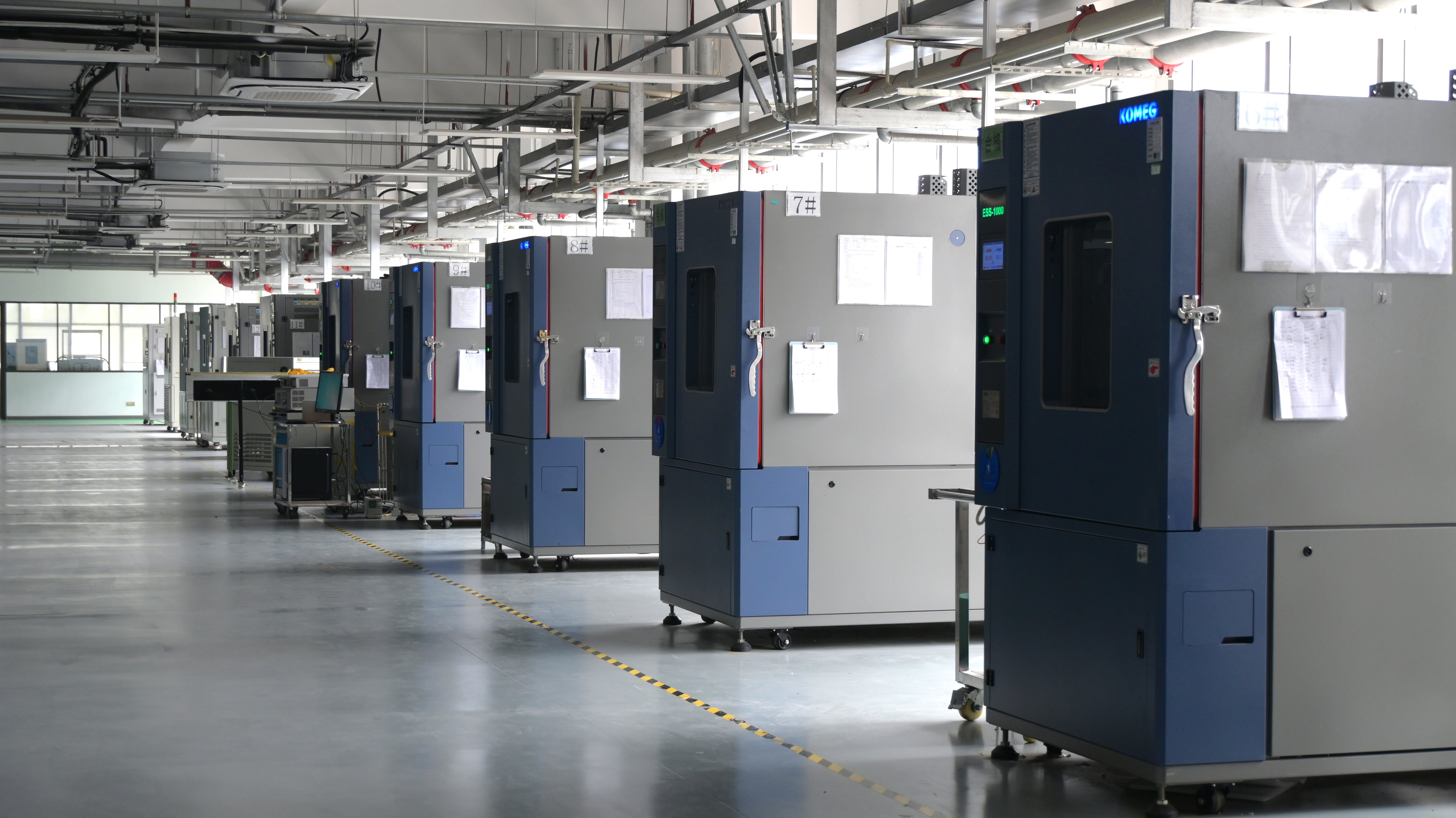
Pengpai Energy approaches this as a manufacturer rather than a trading operation. The company was established in 2017, operates a 2,500 m² BMS production facility, employs approximately 100 staff with R&D engineers accounting for more than 60%, and reports annual production capacity of 800,000 units. It holds a full set of independent intellectual property rights for battery management systems, including dozens of authorized invention patents, utility model patents and software copyrights, with business focus on battery state estimation, safety protection algorithms and intelligent energy scheduling. Export business accounts for 60% of total sales, with marketing branches in Southeast Asia, India, North America and Europe.
For buyers working through an Indian two- or three-wheeler programme, the research path is clear: confirm the pack requirement, check AIS-156 documentation expectations, shortlist models against the comparison table above, and validate the shortlisted BMS on a real pack before volume commitment.
Next Step: Sample and Quotation
Pengpai Energy supports sample evaluation and quotation for BMS projects across electric two-wheelers, three-wheelers, low-speed four-wheelers, electric motorcycles and light-duty industrial equipment. Share your cell chemistry, series count, voltage platform, current requirement and communication protocol to receive a model recommendation or a custom development proposal.
Email: kaiquan.zheng@penergy.com.cn | Tel: +86-0551-62628315 | WhatsApp: +86 133-3551-2050
Website: www.penergy.com.cn | Product brochure: download the English catalogue (PDF)
Address: Building 6, Hongbaoshi Industrial Park, No. 3988 Xiyou Road, Changning Community Service Center, Hefei High-tech Zone, Anhui, China. After-sales hotline: 0551-65147730, available daily from 9:00 to 21:00.
Have Questions or Need More Details?
Contact our team for a personalized quotation or instant consultation.
Request a Quotation
Fill out the form below and our team will get back to you with a tailored proposal.
WhatsApp Direct Chat
Prefer to chat in real-time? Message us on WhatsApp for instant assistance & quick answers.
- Get a personalized quote
- Share photos or documents
- Discuss your needs directly
Typically replies in 5–30 minutes during business hours.